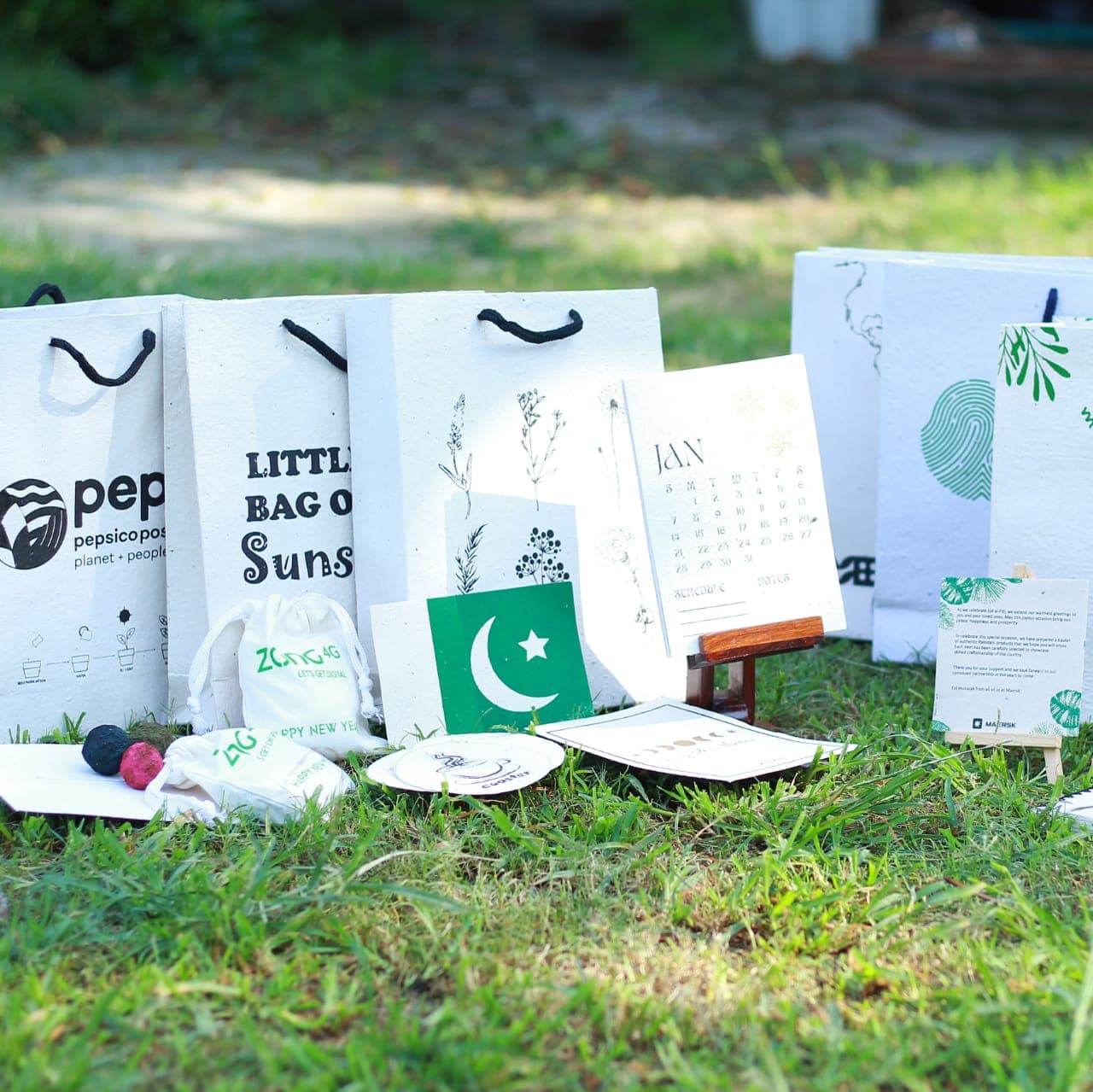
When a brand chooses seed paper over conventional paper, what's the actual environmental difference? Here's a clear comparison.
How conventional paper is made
Standard paper is made from virgin wood pulp. Trees are harvested, chemically processed, bleached and dried into sheets. The process uses significant water, energy and bleaching chemicals, and it creates waste at multiple stages.
Even "recycled" paper still goes through processing that uses energy and water. At end of life it goes to a landfill or a recycling facility, where it may or may not actually be recycled.
How seed paper is made
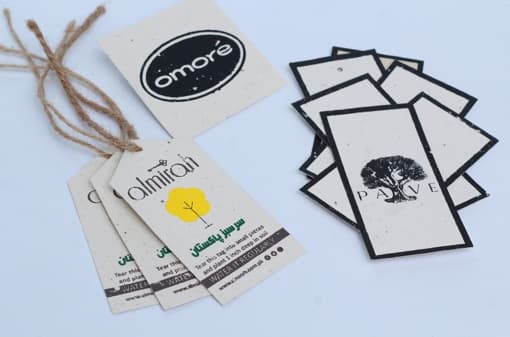
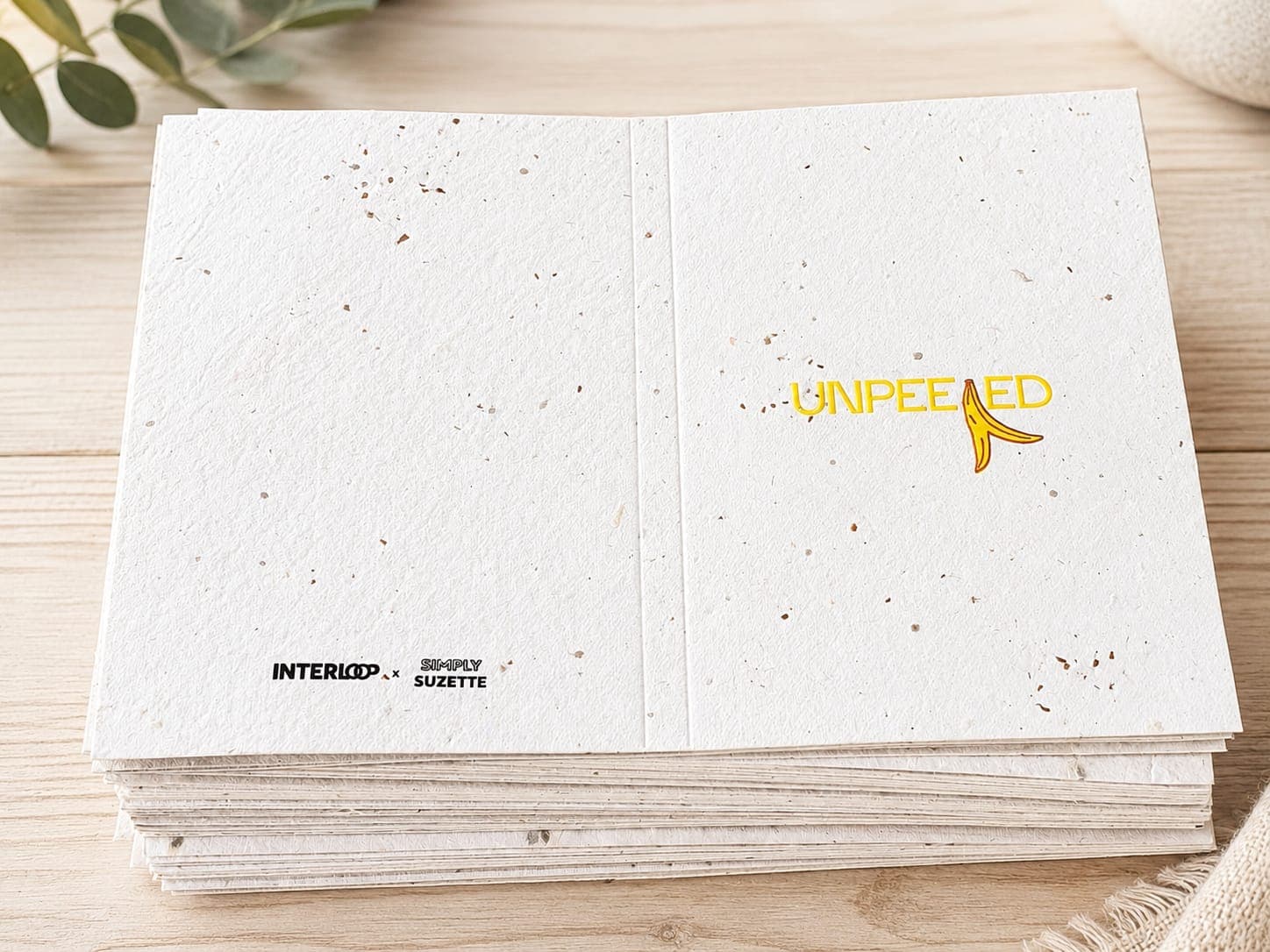
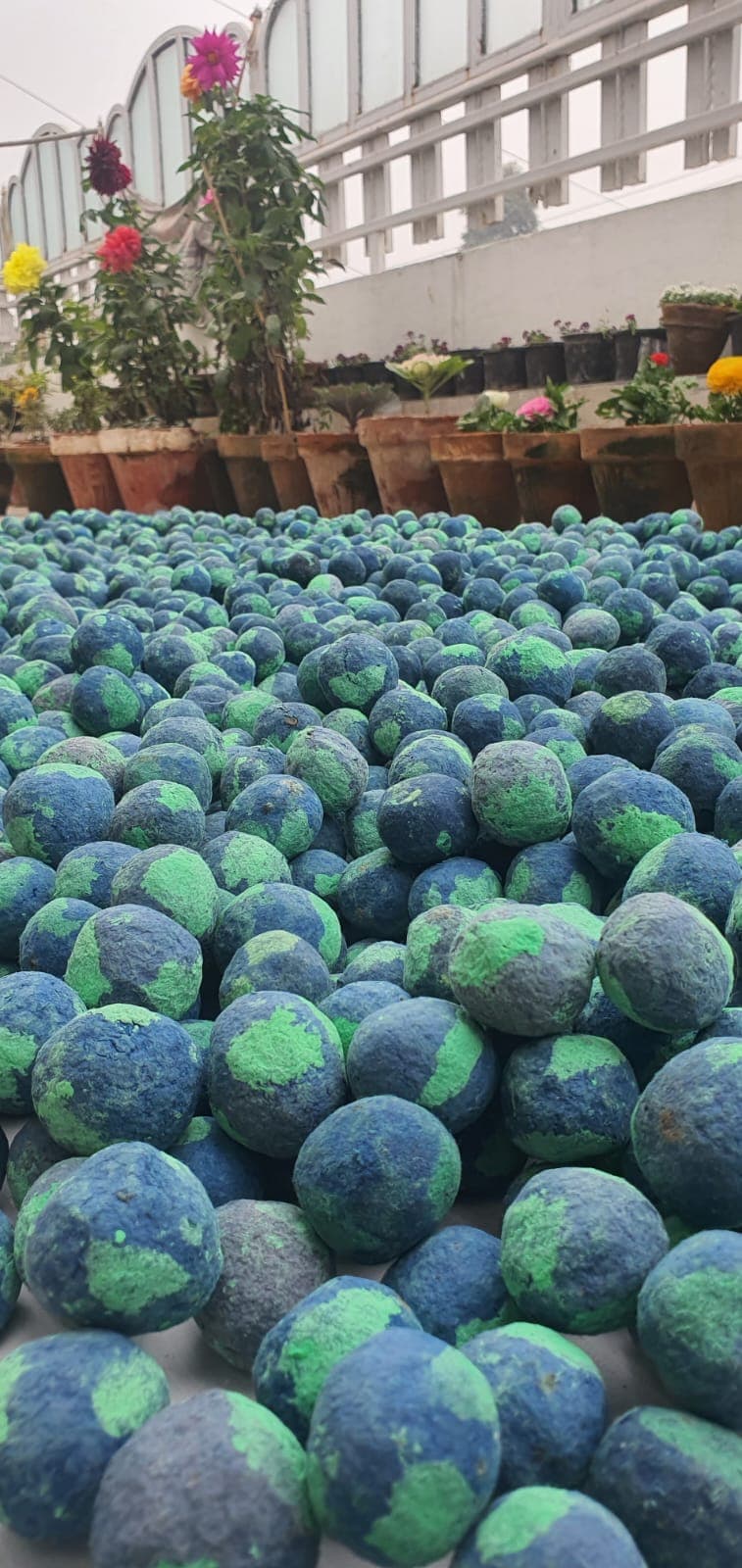
Seed paper is made from post-consumer and post-industrial paper waste: old newspapers, office paper, fabric offcuts, cotton waste. This material is shredded and re-pulped, with no new trees involved. Seeds are mixed into the wet pulp before the paper is dried into sheets.
The end-of-life difference
This is where the gap is most visible:
| Conventional paper | Seed paper | |
|---|---|---|
| End of life | Landfill or recycling | Soil, where it grows into a plant |
| Waste created | Yes | No |
| Recipient action | Throw away | Plant |
| Memory created | None | Germination story |
Seed paper reduces waste, and it also turns the product itself into a plant. That is a very different relationship with the material.
Is seed paper biodegradable?
Yes. Because it contains no synthetic materials or chemical additives, seed paper breaks down naturally in soil. The seeds germinate and the paper cellulose becomes part of the soil over time.
Should every brand switch to seed paper?
For lightweight applications like cards, tags, inserts and giveaways, seed paper is a direct switch from regular paper with a much better end of life. For heavier structural packaging, it is one option among several eco-materials worth discussing.
Start with a sample kit to feel the difference.